AI vs. Human Actors: 3 Things That Make Humans Irreplaceable
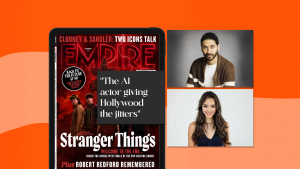
Recent AI headlines make grim reading for actors:
Higgsfield launches AI streaming platform and first AI TV pilot, Arena Zero
Bryan Cranston’s likeness is used without consent on OpenAI’s Sora 2
Emily Blunt and Sag-Aftra join film industry condemnation of ‘AI actor’ Tilly Norwood
The threat to jobs is real, and recently there’s been a lot of talk of AI replacing actors. There is no doubt that the industry has already been affected by the rapid evolution of AI, but all is not lost. Here are three things that real actors have that AI never will.
1) Presence – An Inimitable Living Force
“Presence in an individual is a life-force” – Patsy Rodenburg
Presence is the ability to truly connect with people and the world around you, to allow energy to flow outward without pushing, to listen actively, to breathe fully without inhibition, to awaken our physical body, to be – with openness – despite the slings and arrows of outrageous fortune. It requires intimacy, generosity and freedom. It is a state of being that magnetises the actor and captivates audiences.
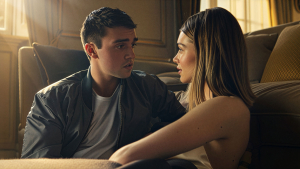
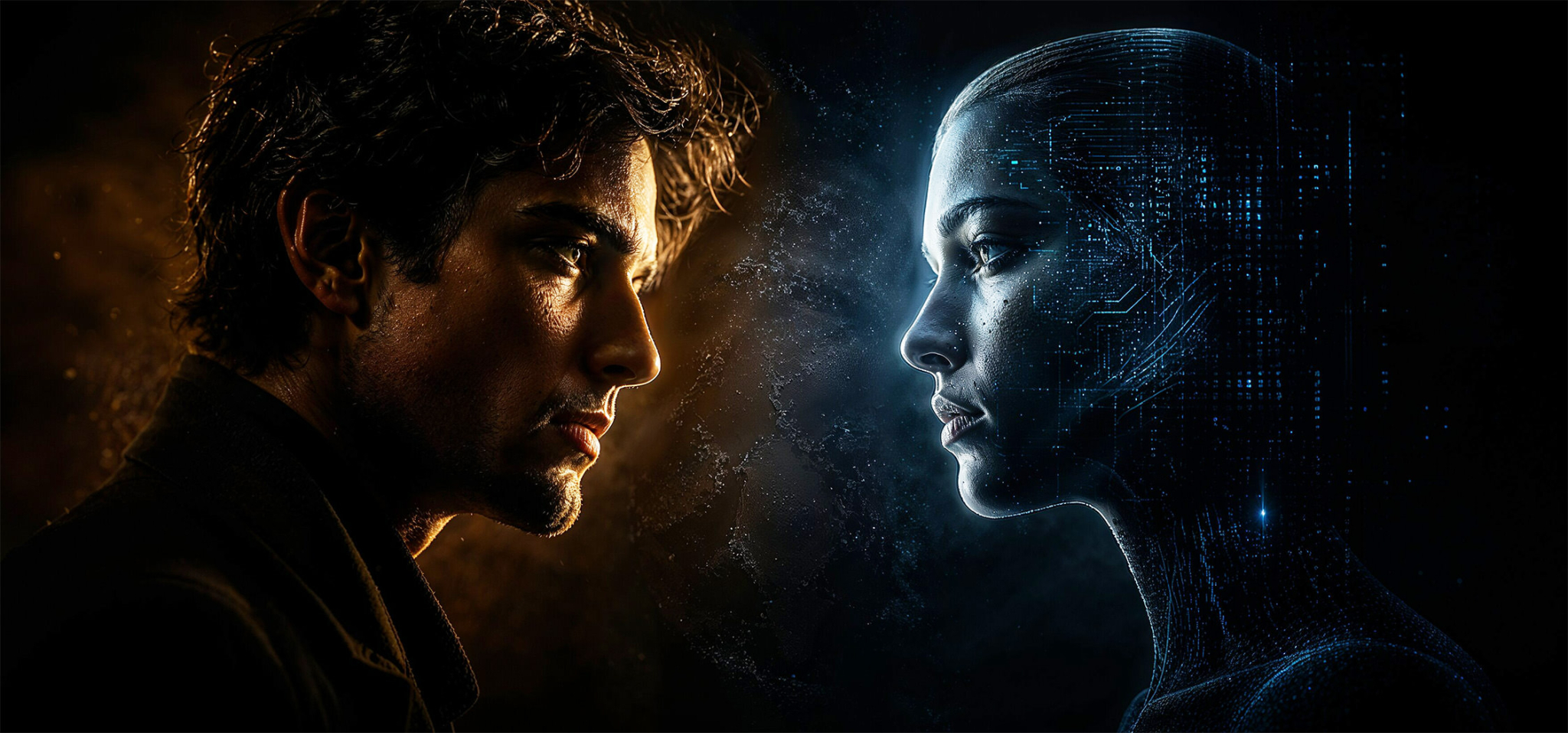
If you watch AI-generated performances, there always seems to be something missing: a sense of uncanny valley such that even the most realistic performances feel wrong somehow. AI actors deliver lines in apparently compelling ways but there is no real vulnerability or emotional connection. Behind the eyes there is vacancy and their voices, though expressive, are merely imitations of connected, present, human performance.
2) Human Anatomy – The Instrument That Cannot Be Coded
“The Actor Imagines with his Body” – Michael Chekhov
Nothing can prepare you for parenthood. You can read every book and still find yourself shocked, awed, and overwhelmed as your body responds to hormonal shifts, sleep deprivation and physical change.
You can absorb every account of what it’s like to stand at the top of Mount Everest and look out at the world, but it won’t tell you what the air tastes like at 29,000 feet.
You can study grief exhaustively and still find yourself unprepared for the lump in your throat and the ache in your chest when you lose a loved one.
Will AI one day surpass the human brain in computational capacity? Maybe. But it won’t have a gut, a heart, a respiratory system or a solar plexus – the body’s ‘seat of power’.
Our experience of the world is uniquely shaped by the complex instrument that carries us through life. Even if we haven’t personally experienced the action of the text, great actors have the craft to connect it to their body. Acting is not what happens when we intellectually understand a piece, it’s what happens when intellect connects with our physical body, voice and breath.
3) Mortality – The Difference Between Living and Processing
Who would fardels bear,
To grunt and sweat under a weary life,
But that the dread of something after death,
The undiscovere’d country, from whose bourn
No traveller returns, puzzles the will,
And makes us rather bear those ills we have
Than fly to others that we know not of?
– Hamlet by Shakespeare
Our time on this planet is fleeting. Human beings generally live with the knowledge that one day they will die. This knowledge may be conscious or unconscious, accepted or resisted, but it alters how we love, fear, risk, grieve, hope and behave.
AI cannot have the same relationship with time and death as we do. Theoretically, it can be switched off or deleted, but that is not mortality in the human sense. AI is not a living being subject to ageing, finitude or death, and all the data and knowledge in the world cannot make it so.
On stage or screen, AI can imitate human behaviour and emotion, and it may do it very well, but ultimately it’s drawing from datasets, not lived reality. How can AI truly understand Hamlet’s paralysing contemplation of existence and death, if it has no mortality of its own? Or Philomena’s lifetime of maternal grief in the film starring Judi Dench.
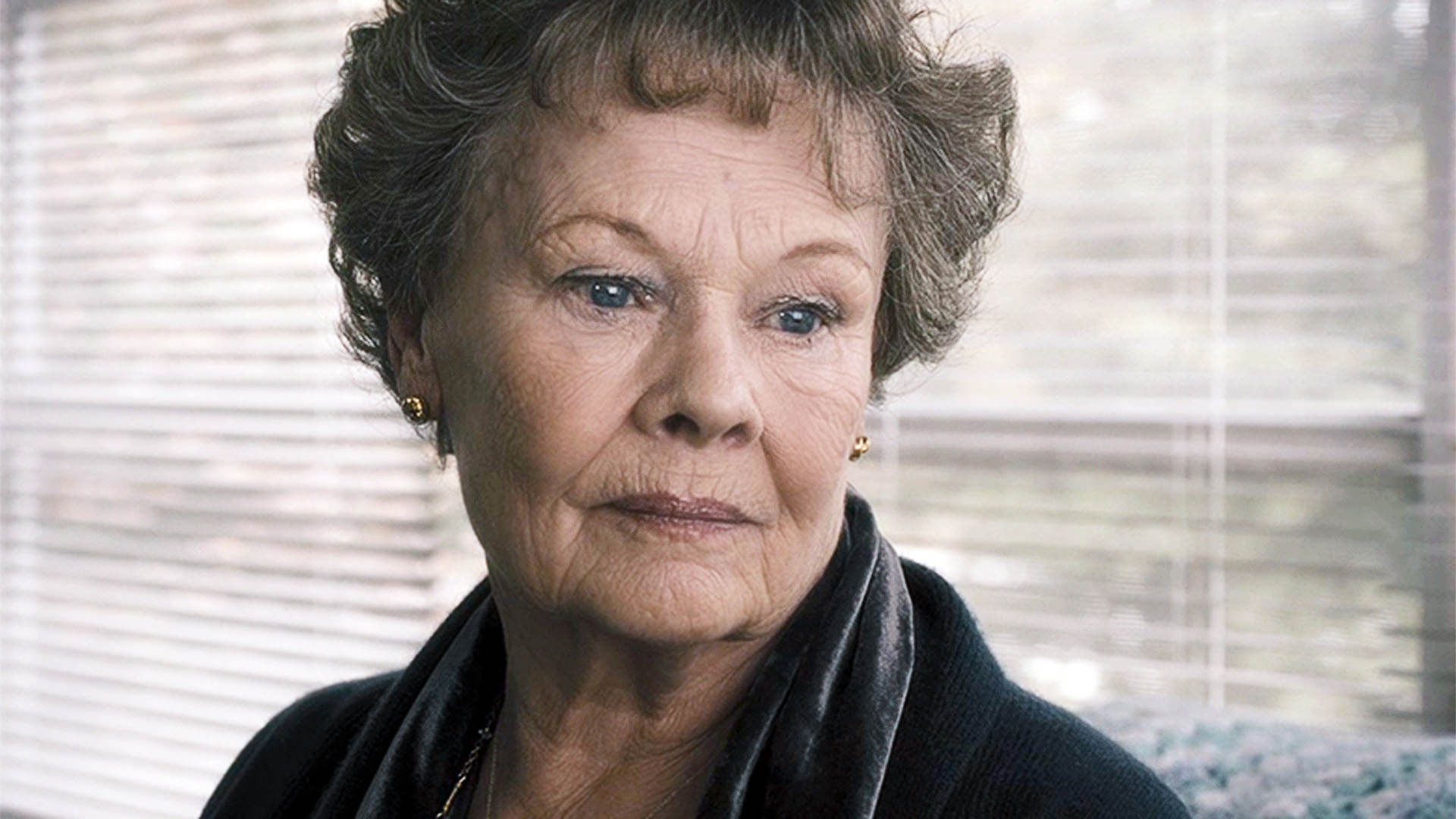
Judi Dench in Philomena (2013)
The Human Condition – AI’s Blind Spot
“The principal aim of all storytelling is to expose the inner workings of the human mind through conflict.” – Lajos Egri
Stories resonate when we can relate to the characters and empathise with them as they navigate human struggle. As an experiment, I shared this premise with ChatGPT and found myself discussing Tom and Jerry. ChatGPT claimed that the classic cartoon endures because “it’s clear, rhythmically pleasurable and uses reusable gag patterns.”
“What about the human condition?” I pushed back.
“There’s barely any psychological depth,” ChatGPT replied.
After much debate, it simply could not comprehend the value in the themes of friendship, rivalry, and persistence in the face of failure, prioritising “form and spectacle” instead, at the expense of the human hook.
Ultimately, I find all AI to be equal parts mind-blowing genius and jaw-dropping stupidity.
New Competition – The Challenge to Actors
Great actors are fully present, emotionally intelligent and connected to their bodies. But what about actors who aren’t as great? After all, not everything on Netflix is Oscar-worthy. As AI evolves and gets better at imitating humans, the threat to jobs, unfortunately, will grow. Production companies and gatekeepers will be increasingly tempted to outsource roles to AI, and there’s a real danger that work for human actors will become scarcer.
We have a right to despair, but we should also allow this new competition to inspire us, to motivate us to become better actors. Craft has always been at the centre of performance. It is a requirement for great acting: an integration of body, voice, mind and text that AI cannot imitate. I believe it is now what makes great actors irreplaceable.
Practise your craft, develop it, refine it. Be irreplaceable.
And whatever the future holds, go to the theatre. Be in the presence of real actors, feel the electricity rippling through the auditorium, and remind yourself of the inimitable radiance of living, breathing humanity.
View this post on Instagram

Work with me
I'm Kieran Vyas - I've coached actors at the highest level across stage and screen, from Netflix, Disney+ and Sky Studios to the RSC and the West End. I help actors to deepen their craft and deliver their most compelling performances.
If you'd like to find out more about working with me, visit my acting coaching page, or send me a message here.