
AI Acting Analysis: How worried should actors be?
There’s a lot of talk about whether AI could eventually replace real actors. At the end of 2025, Tilly Norwood made headlines as an AI-generated actor starring in her own short films and seeking representation with established agencies. In an article for Empire Magazine’s December issue, I compared this with the Wizard of Oz – impressive from the outside, disappointing when you look behind the curtain.
Only a few months later, major AI company Kling released Kling 3.0, introducing its new multishot feature, which allows you to create narrative scenes from simple prompts. A few weeks after that, Higgsfield AI released Arena Zero – more on that at the end.
With the potential to profoundly impact the TV and film industry, I wanted to put the technology to the test and analyse the acting ability – if we can even use that term for AI-generated performance.
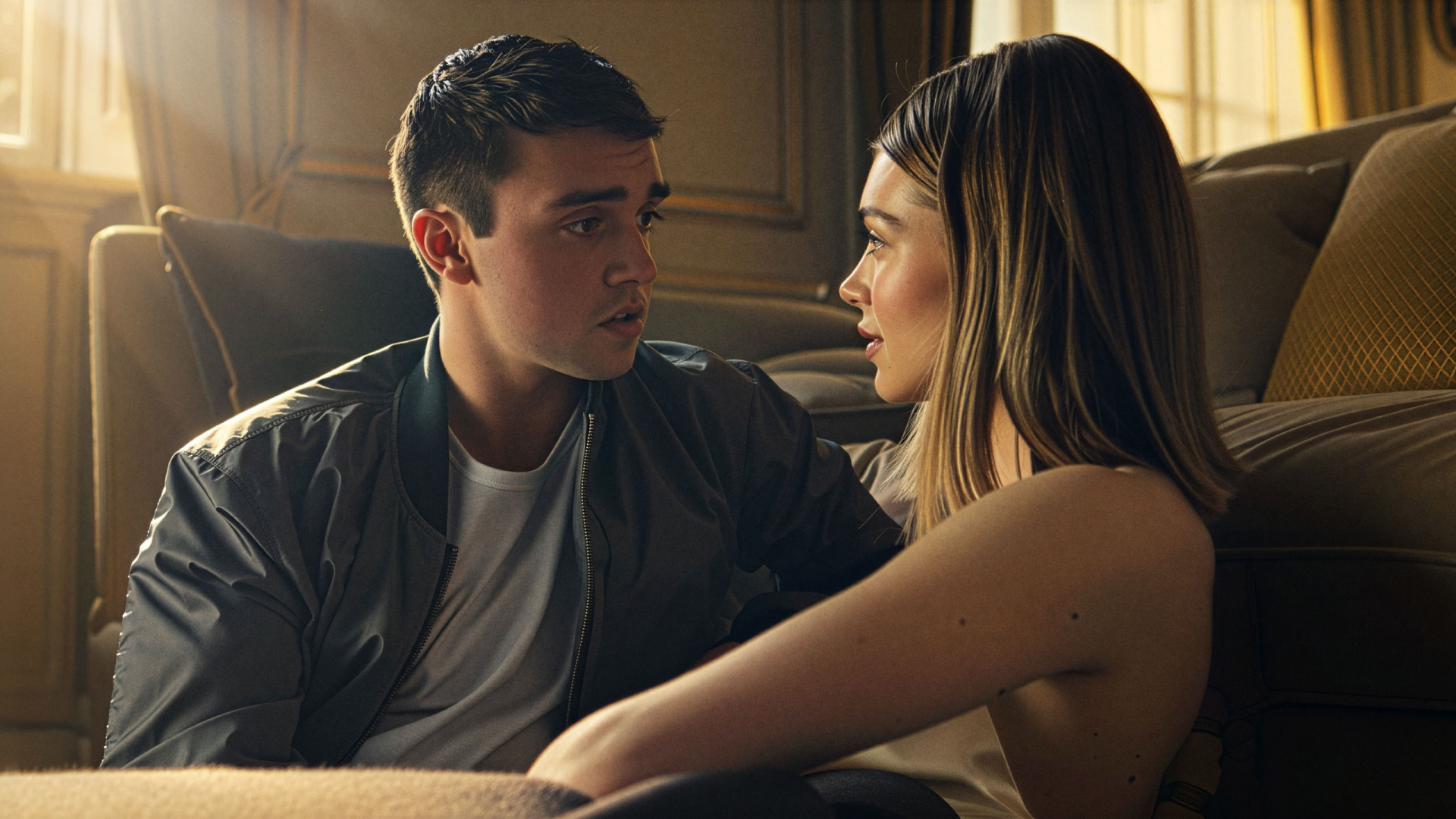
Watch the video below to see scenes from Normal People, Top Boy, Shakespeare’s Macbeth, Killing Eve and Kramer vs. Kramer, all created by Kling 3.0. The current time limit per generation is 15 seconds.
On first viewing, the results are impressive. The scenes are cinematic with beautiful design, realistic lighting and shadows, perfect continuity, and good camera movement.
In terms of acting, there’s still a long way to go. There are moments of naturalism – Ted Kramer’s line “Joanne, please,” strikes a note of vulnerability that is genuinely evocative. The emotion is pushed and it feels less layered than Dustin Hoffman’s original delivery, but perhaps Kling would make better character choices with access to the full script.
In general, however, the performances veer into melodrama, with little subtlety or subtext. Actor movement is jerky, and there’s a noticeable lack of connection to the text – the AI clearly doesn’t have a true understanding of the words.
Shakespeare’s Macbeth highlights more issues. The AI can’t quite get to grips with archaic or dialectical language: it frequently refused to use the word ‘thou’ and had no understanding of ‘aye’. It did make sense of the iambic pentameter on a basic level, but facilitating shared verse lines wasn’t easy, leading this fast-paced scene to become fragmented.
Overall, it’s not brilliant… but it only took 5 minutes to make, cost pennies, and the technology is in its infancy.
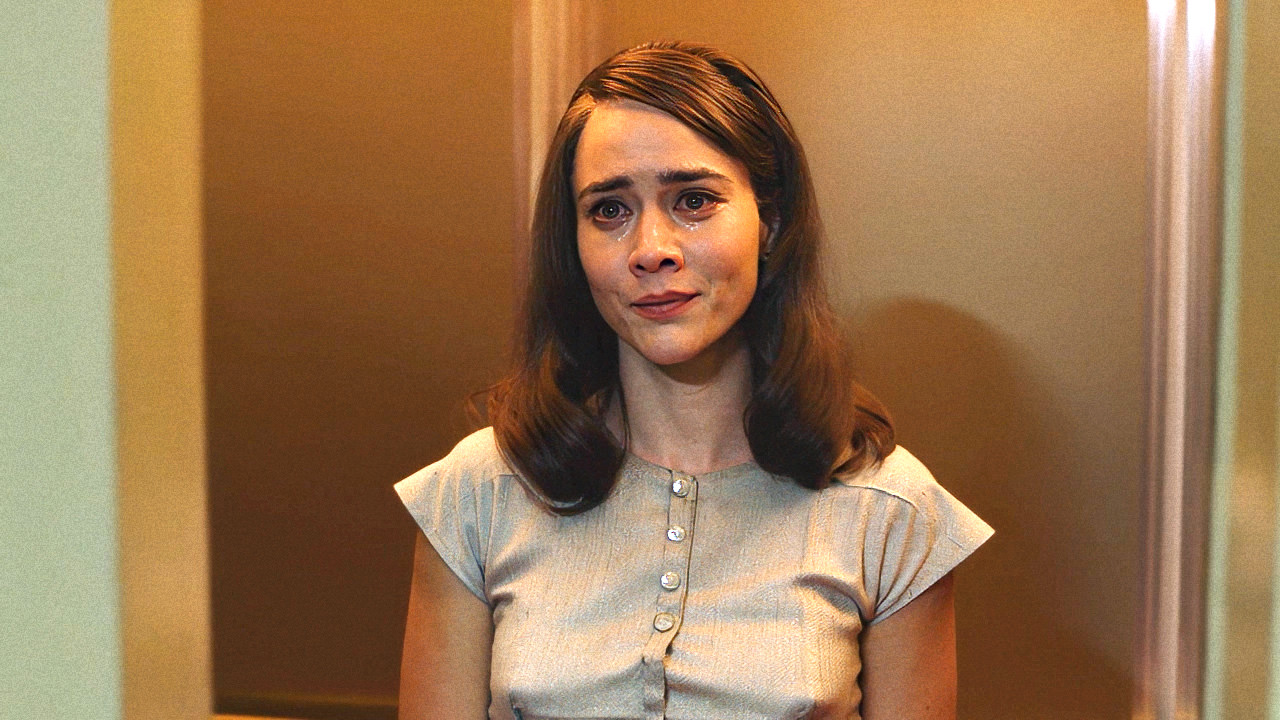
Kramer vs. Kramer (AI version)
A lot of people ask, can AI ever be as good as real human artists? Perhaps it will never rival our greatest actors, but that isn’t the benchmark. What about the student film? The low-budget indie that’s run out of money? The small business commercial? The corporate training video? The walk-on, one-line TV role? The plethora of casting calls asking actors to work unpaid ‘for showreel material’ or ‘experience’? That’s most likely where AI will begin creeping in.
The industry isn’t driven solely by good acting – the art, unfortunately, rarely comes before the cost. If a short scene that once required a crew of 30 can now be generated in minutes by a single person, that’s a game-changer. No catering. No studios. No overtime. No pickups. No equipment and no crew. AI doesn’t need to rival our greatest actors to begin infiltrating the industry and taking jobs, it just needs to solve a problem.
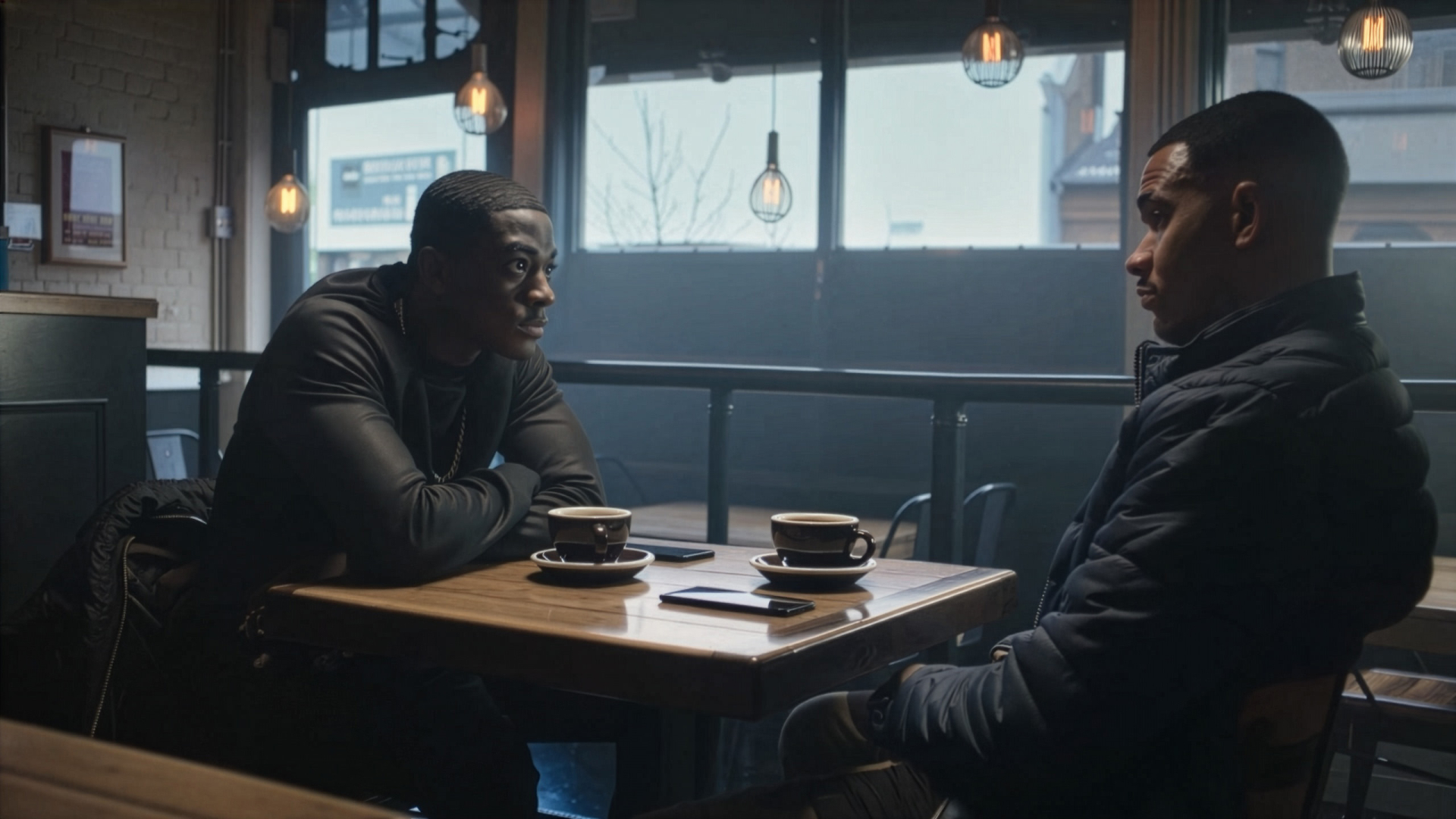
Top Boy (AI version)
Will AI one day replace entire roles, whole productions? It already is. Less than one month after I ran my own tests with Kling 3.0, Higgsfield AI – another AI generation platform – released the first episode of a new AI series, Arena Zero, and it changes the game. At just over 10 minutes, the episode is an adrenaline-fuelled, intergalactic, all-guns-blazing showcase of what the technology can do. The script is largely built from soundbites and lacks real depth, but there’s enough action to dazzle and keep you engaged.
In terms of acting, there’s not much to criticise. It all looks a bit CGI and the human characters leave you with a sense that something isn’t quite right, but against the alien backdrop they are believable enough and interact without any of the awkwardness we’ve seen from AI in the past. There are even moments of subtlety that caught me by surprise. Overall, it’s not entirely dissimilar from some human-made, CGI-heavy offerings in this genre. This is certainly a big milestone.
Evolving AI reports that Higgsfield AI paid a 22-year-old bartender, Adil, from New Brunswick $1 million for his likeness to create Arena Zero. Adil, who reportedly has no acting experience, was paid more than most actors earn in a lifetime — without ever setting foot on set. The implications are sobering.
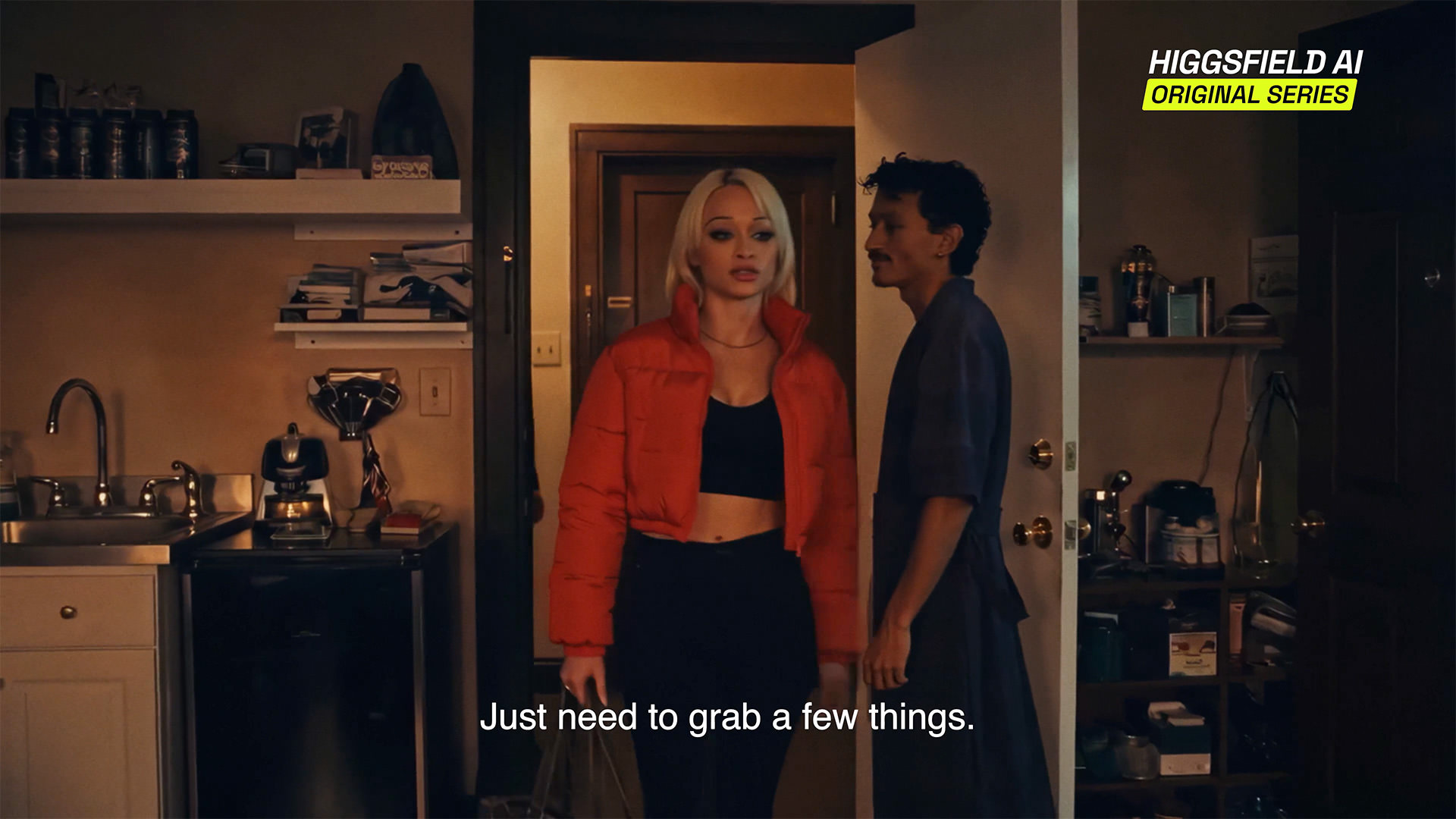
Higgsfield AI – ‘Arena Zone’ Still
We’re heading towards a time when a child will be able to create a short film with infinite creativity and imagination, right from their laptop…like cinematic, hyper-realistic Sims. Right now, the results are beautiful but lack understanding, finesse, connection and heart. However, the technology is evolving so rapidly that the question is: where will we be in 12 months?
View this post on Instagram

Work with me
I'm Kieran Vyas - an acting coach who helps actors to deepen their craft and deliver their most compelling performances through the holistic integration of voice, body, mind and text. If you'd like to find out more about working with me, visit my acting coaching page, or send me a message here.


